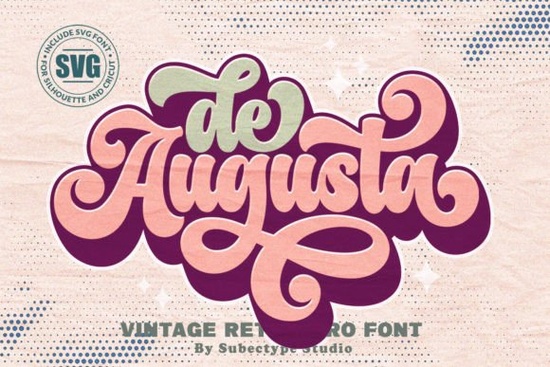
If you’ve been searching for a display font that brings strong vintage character without feeling overused, De Augusta Font might be exactly what your next project needs. It pulls from the bold, playful energy of 70s and 80s typography think diner signs, album covers, and retro packaging but keeps its structure clean enough to work across modern branding, merch, or print designs. Whether you’re designing a logo for a coffee shop, a t-shirt for an indie band, or a book cover with throwback vibes, this font adds personality without sacrificing readability.
What kinds of projects does De Augusta work best for?
This font shines when you want something eye-catching but grounded in nostalgia. Here’s where it fits naturally:
- Branding & Packaging – Especially for food, beverage, or lifestyle brands going for a “classic with a twist” look.
- T-Shirts & Merch – The bold weight holds up well on fabric, and the retro curves give it instant streetwear appeal.
- Posters & Flyers – Big headlines pop, and the PUA encoding means you can swap in swashes or alternate glyphs to keep things unique.
- Book Covers & Zines – Works great for genres like mystery, sci-fi, or anything with a pulp aesthetic.
- Signage & Badges – Clear letterforms even at smaller sizes, with enough flair to stand out.
How does it compare to other display fonts on Creative Fabrica?
It’s not trying to be delicate like Strawberry Milk Candy, nor is it as rigidly geometric as School Varsity. Instead, De Augusta Font sits comfortably between playful and authoritative kind of like if Lemon had a slightly tougher older sibling who listened to vinyl records. If you liked the hand-drawn charm of Farmstead but need more edge, or the cosmic quirk of Nebulan Star feels too futuristic, this one strikes a nice middle ground.
Is it easy to use if I’m not a pro designer?
Absolutely. Because it’s PUA encoded, all the special characters, ligatures, and swashes are built right into the font file no need to dig through separate SVGs or install extra files. Just type in your design software (like Illustrator, Canva, or Affinity), highlight the text, and browse your glyph panel to swap in alternates. Even if you’ve never touched OpenType features before, you’ll find it surprisingly intuitive. Many users report they were able to customize their text within minutes of installing it.
Will it pair well with other fonts?
Yes and that’s part of why it’s so practical. Pair it with a clean sans-serif (like Montserrat or Avenir) for contrast, or stack it with a thin script for a layered retro-poster effect. Avoid pairing it with other heavy display fonts; let De Augusta be the star. If you’re working on a brand identity, try using it only for headlines or logos, then switch to a simpler font for body text. That balance keeps your design dynamic but still readable.
Any tips for getting the most out of this font?
- Don’t overdo the swashes. One or two per word is usually plenty any more and it starts to feel cluttered.
- Try different weights or spacing. Even slight tracking adjustments can make the same word feel completely new.
- Use color wisely. This font pops in mustard yellow, burnt orange, or deep teal colors that echo its era.
- Test at scale. What looks great on a poster might get muddy on a small sticker. Always preview your final output size.
If you’re already using Creative Fabrica for your design assets, adding De Augusta to your toolkit is a no-brainer especially if you create merch, social graphics, or client branding. It’s one of those fonts that feels specific enough to give your work a signature touch, but flexible enough that you’ll reach for it again and again.
Next step: Before downloading, open your current project and ask: “Where could a little retro punch elevate this?” Then grab the font, play with the alternates, and see how fast it transforms your layout. You might be surprised how much character one typeface can add.
Try It Free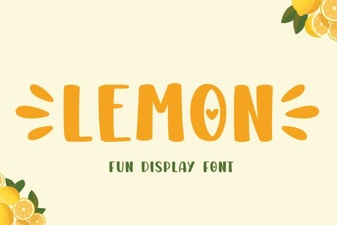 Lemon Font: a Fresh Design for Modern Projects
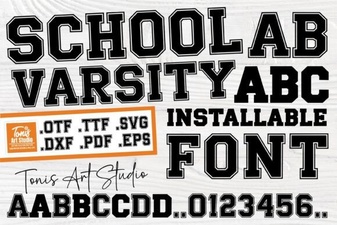 Varsity Font Design & School Spirit Projects
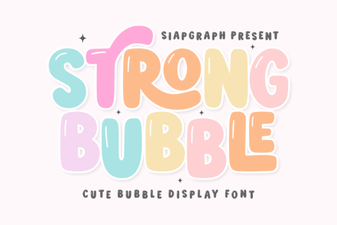 Craft Bold Designs with Bubble Typography
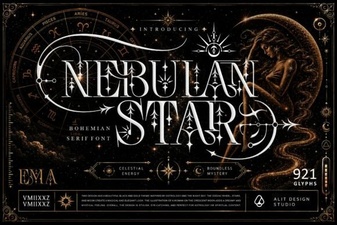 Nebulan: an Experimental Font for Creative Projects
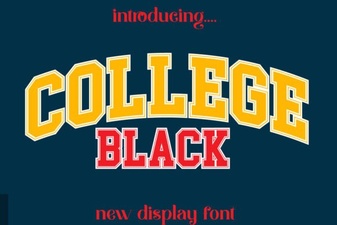 Modern Fonts for College Projects and Posters
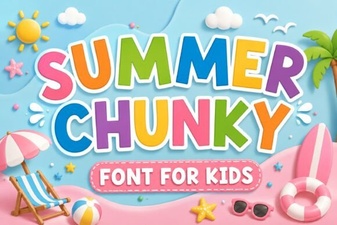 Big Summer Fonts: Chunky Designs for Creative Projects