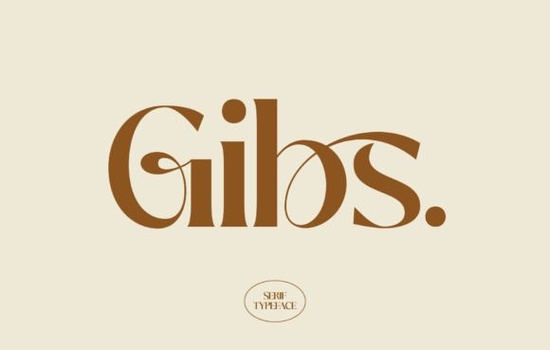
If you’ve been searching for a serif font that feels both classic and fresh, Gibs might be exactly what your next project needs. It’s the kind of typeface that doesn’t shout for attention instead, it quietly adds polish to logos, packaging, invitations, or editorial layouts. Designers who appreciate clean lines with just enough character tend to reach for Gibs when they want something timeless but not stuffy.
What makes Gibs stand out is how well it balances structure and grace. The serifs are subtle but intentional, guiding the eye without distracting. Letter spacing feels natural, which means you won’t need to tweak kerning as much on tight deadlines. Whether you’re designing a boutique label, a wedding suite, or even social media graphics with a refined tone, this font adapts without losing its personality.
Who should consider using Gibs Font?
If you run a small business focused on handmade goods, luxury services, or curated experiences, Gibs gives your branding materials an air of quiet confidence. Print-on-demand sellers love it for quote posters and apparel because it reads beautifully at different sizes. Crafters working on vinyl decals or engraved items find the strokes hold up well under scaling. And if you’re into editorial design think zines, lookbooks, or boutique magazines Gibs pairs effortlessly with minimalist photography or textured backgrounds.
You might also like checking out Ronsa if you want something with a slightly bolder presence, or Ethereal if you’re leaning into softer, more delicate moods. Each has its own rhythm, but they all share that polished serif foundation.
How does Gibs compare to other elegant serifs?
It’s helpful to think of Gibs as sitting comfortably between traditional book fonts and display serifs. It’s not as rigid as Georgia Praline which leans formal and structured but it’s also not as ornate as Luxurimo, which thrives in high-fashion contexts. Gibs strikes a middle ground: readable enough for body text in print, yet distinctive enough to headline a product launch.
For reference, here’s how a few similar fonts stack up:
- Gibs – Balanced elegance, great for mixed-use projects
- Georgia Praline – More traditional, ideal for editorial or heritage brands
- Luxurimo – High-contrast, perfect for luxury packaging or fashion
- Ronsa – Slightly geometric, modern edge with warmth
- Ethereal – Delicate, airy, suited for romantic or wellness themes
None of these are “better” than the others they’re just tuned for different vibes. Gibs works best when you want clarity with charm, not drama or nostalgia.
Can I use Gibs for commercial projects?
Yes. Like most fonts from Creative Fabrica, Gibs comes with a commercial license. That means you can use it on products you sell whether that’s t-shirts, mugs, digital templates, or client work. Always double-check the license details after purchase, but generally, you’re covered for POD, logos, and small business branding.
One thing to note: if you’re embedding the font in an app or software product, you may need an extended license. But for 95% of crafters and designers, the standard license is plenty.
What file formats come with the download?
You’ll typically get OTF and TTF files, which work across Adobe apps, Canva, Silhouette Studio, Cricut Design Space, and most design platforms. Some bundles also include webfont versions (WOFF/WOFF2) if you plan to use Gibs on a website. Installation is straightforward just unzip, install like any system font, and you’re ready to go.
Any tips for pairing Gibs with other fonts?
Gibs plays nicely with clean sans-serifs. Try pairing it with something neutral like Montserrat, Lato, or even Helvetica Neue for contrast that doesn’t clash. Avoid overly decorative scripts unless you’re going for intentional maximalism Gibs already brings enough elegance on its own.
If you’re building a full brand identity, consider using Gibs for headlines and a simpler sans-serif for body copy. That combo keeps things legible while letting the serif shine where it matters most.
Pro tip: When setting Gibs in all caps, add a touch more letter-spacing (tracking) around 50–100 units depending on size to let the serifs breathe. It makes a noticeable difference in print and digital layouts.
Next steps if you’re ready to try Gibs
- Download and install the font files
- Test it in a real layout even a quick mockup helps you feel its rhythm
- Pair it with one contrasting font to see how it behaves in context
- Save a style guide snippet with your favorite weights and sizes for future projects
Fonts like Gibs don’t need flashy descriptions to prove their worth. They just do the job beautifully, reliably, and without fuss. If that’s the kind of tool you want in your creative kit, it’s worth a closer look.
Try It Free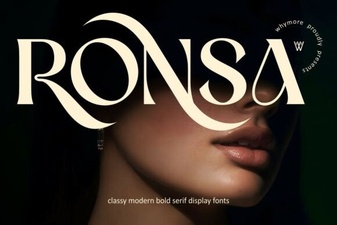 Ronsa Font: Modern Elegance for Digital Design
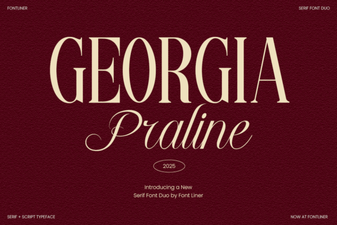 Georgia Praline Font: a Designer's Tasteful Guide
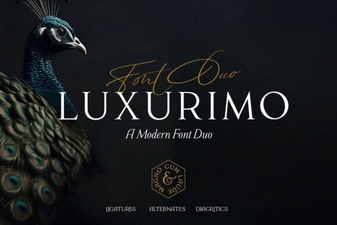 Luxurimo Font: Elegant Typography for Creative Projects
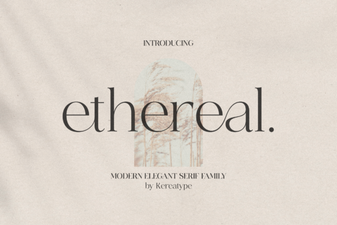 Ethereal Font Design for Creative Projects
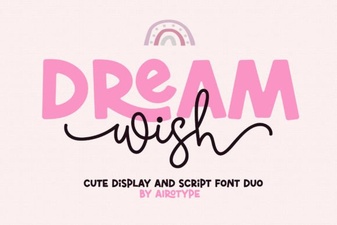 Dream Wish Font: a Creative Typography Toolkit
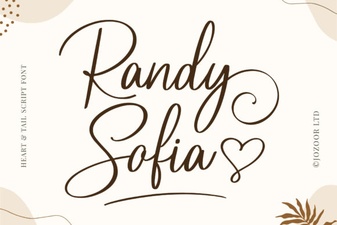 Randy Sofia Font for Creative Projects